Do You Need a Permit for Carpentry Work in Joliet?
One of the most common questions homeowners in Joliet ask before starting a carpentry project is whether they need a permit. The short answer is: it depends on the scope and nature of the work. Not all carpentry projects require a Joliet building permit, but many do, and skipping this step when it's required can result in fines, failed home inspections, and complications when selling your property.
The City of Joliet requires permits for most structural work, electrical modifications, plumbing changes, and any project that affects the safety or integrity of your home. Minor cosmetic work like painting, replacing trim, or installing shelves typically does not require a permit. However, if you're planning anything that involves removing walls, installing beams, repairing structural damage from Wood Rot & Dry Rot Repair, or addressing Termite Damage Repair, you almost certainly need a permit. The best approach is to contact your local building department before you begin work to confirm what's required for your specific project.
Is My Wall Load Bearing? Why This Matters for Permits
One of the most critical questions you need to answer before removing or modifying any wall is whether it's load bearing. A load-bearing wall supports the weight of the structure above it, including the roof, upper floors, and all their contents. Removing or improperly modifying a load-bearing wall without proper structural support can cause catastrophic damage to your home, including sagging ceilings, cracked drywall, and even partial structural collapse. This is precisely why the City of Joliet requires a permit and professional engineering review for any work involving load-bearing walls.
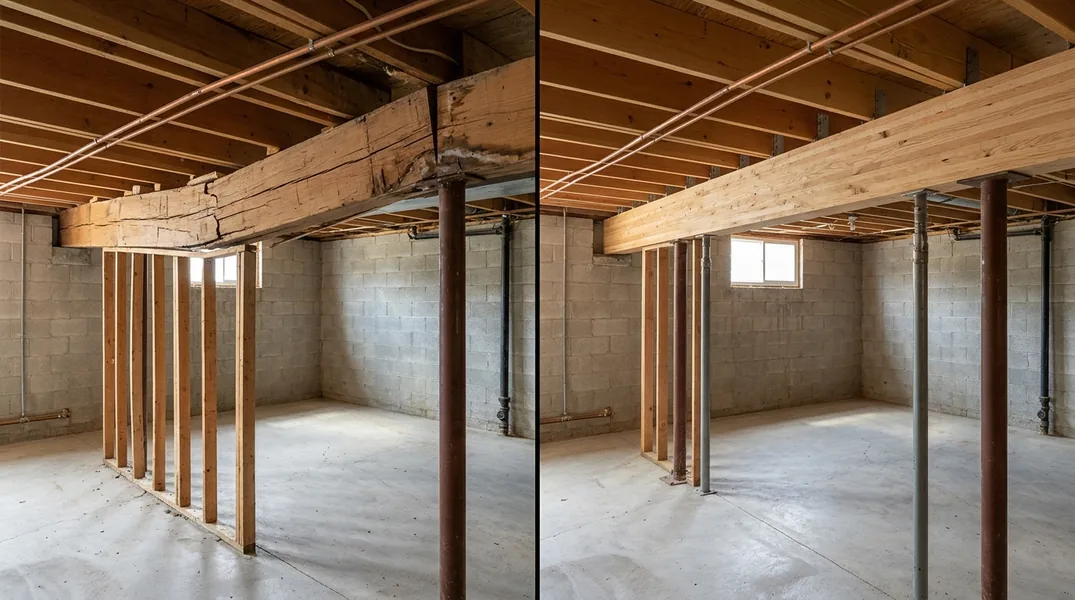
Determining whether a wall is load bearing requires knowledge of your home's framing, foundation, and overall structural design. Load-bearing walls typically run perpendicular to floor joists and are usually located near the center of the house or directly above basement support beams. However, the only reliable way to determine if your wall is load bearing is to have a structural engineer or experienced carpenter evaluate your home. If you need to remove a load-bearing wall, you'll need to install a properly sized beam to carry the load, which is exactly why Beam Replacement & Load-Bearing Wall Removal work requires both a permit and professional design. Attempting this work without permits and proper engineering is not only illegal but dangerous.
Common Carpentry Projects That Require Permits
Understanding which projects require permits helps you stay compliant and protect your home's value. Any structural modification, including wall removal, beam installation, or significant framing changes, requires a permit. If you're installing new windows or doors, replacing roofing, or adding an addition, you'll need a permit. Repair work that involves structural components also typically requires permits, such as Floor Joist & Subfloor Repair due to water damage, rot, or pest infestation. If your home has experienced wood rot or structural damage, the repair process will almost certainly involve permit requirements because the work affects the home's structural integrity.
Deck construction, porch additions, and any work that creates new living space or modifies the home's exterior footprint requires a permit. Even interior projects like finishing a basement or converting a closet into a small room typically need approval. The reason is straightforward: permits exist to ensure work meets building codes, is performed safely, and protects both you and future homeowners. When you're ready to start a project, contact the Joliet Building Department or reach out to Joliet Carpentry at (815) 768-1960 for guidance on whether your specific project requires a permit.
The Permit Process: What to Expect in Joliet
The permit process in Joliet is designed to be straightforward, though the timeline can vary depending on project complexity. You'll typically need to submit an application to the Building Department with detailed plans, specifications, and often a description of the work. For structural work like load-bearing wall removal, you'll need to include engineering drawings and calculations prepared by a licensed structural engineer. The application fee is based on the estimated cost of the project, and processing times generally range from one to three weeks, depending on workload and project complexity.
Once your permit is approved, inspections are required at various stages of the work. For example, if you're installing a beam for wall removal, inspections will occur after framing is complete and before drywall is installed. The inspector verifies that the work meets code requirements and is performed safely. After all inspections pass, you receive a final approval. This process protects you by ensuring the work is done correctly. If you're unsure about the permit process or need help navigating it, Joliet Carpentry can guide you through the requirements and help ensure your project meets all local codes. Call us at (815) 768-1960 or request a free estimate to discuss your project.
Structural Damage Repairs and Permit Requirements
If your home has experienced water damage, rot, or pest damage that affects structural components, repair work will almost certainly require a permit. Damage to floor joists, beams, rim boards, or other load-bearing elements must be repaired to code, which means a permit and inspections are necessary. Wood Rot & Dry Rot Repair is a common issue in older homes and basements, and while the repair itself may seem minor, if it involves structural framing, a permit is required. The same applies to Termite Damage Repair or repairs needed after Floor Joist & Subfloor Repair due to rot or water intrusion.
The reason permits are required for these repairs is that inspectors need to verify the damage has been properly addressed and the repair work meets building standards. This protects your home's structural integrity and your family's safety. If you discover rot, water damage, or pest damage in your home, don't wait to address it. Contact Joliet Carpentry for a professional assessment and to understand what permits and repairs your situation requires. We can help you navigate the process and ensure your home is restored safely and to code.
Avoiding Costly Mistakes: Why Permits Matter
Skipping the permit process might seem like a way to save time and money, but it can create serious problems down the road. Unpermitted work can lower your home's resale value, complicate insurance claims, and result in fines from the City of Joliet. If you sell your home, the buyer's inspector may discover unpermitted work, which can derail the sale or require you to obtain retroactive permits and inspections. Additionally, if something goes wrong with unpermitted work, your homeowner's insurance may not cover the damage.
The cost of obtaining a permit is minimal compared to the potential consequences of skipping it. Permits also protect you by ensuring work is performed by qualified professionals who understand building codes. If you're planning any carpentry work in Joliet, the safest approach is to verify permit requirements upfront. Joliet Carpentry has years of experience with permit requirements and can help you understand what's needed for your project. Whether you're dealing with structural repairs, wall removal, or damage restoration, we're here to help. Contact us at (815) 768-1960 today or request a free estimate to get started.
Looking for a professional carpentry contractor in Joliet? Joliet Carpentry responds fast for all your carpentry needs.
Get a Free QuoteOur services: Wood Rot & Dry Rot Repair · Termite Damage Repair · Floor Joist & Subfloor Repair