The Charm and Challenge of Historic Homes in Joliet
The Upper Bluff and Cathedral Area neighborhoods of Joliet are home to some of Illinois' most beautiful Victorian and Foursquare residences. Built between the 1880s and 1920s, these architectural gems feature ornate details, generous porches, and solid craftsmanship that simply doesn't exist in modern construction. Owning one of these homes is a privilege, but it also comes with unique responsibilities that many first-time buyers don't anticipate.
The primary challenge facing Victorian and Foursquare homeowners isn't cosmetic or stylistic. It's structural. These homes were built with materials and techniques suited to their era, and those materials are now over a century old. Wood that was harvested and milled in the 1890s has been exposed to Joliet's freeze-thaw cycles, humidity fluctuations, and decades of weather. The result is that wood rot, dry rot, and related decay have become the silent threat to these beautiful properties. Understanding this challenge and addressing it proactively is the difference between preserving a family heirloom and watching it deteriorate.
Why Victorian and Foursquare Homes Are Vulnerable to Wood Damage
Victorian and Foursquare homes present a perfect storm of conditions for wood decay. Unlike modern homes that rely on engineered lumber, synthetic materials, and vapor barriers, these historic structures are built almost entirely from solid wood. The exterior wood siding, interior framing, floor joists, porch columns, and decorative elements are all vulnerable to moisture intrusion, insect damage, and fungal growth. The older the home, the more likely that the original wood has already absorbed decades of moisture and begun to break down at the cellular level.
The architectural style of these homes also contributes to the problem. Victorians feature complex rooflines with multiple valleys, dormers, and turrets that create countless opportunities for water to pool and seep into walls. Foursquares, while simpler in design, typically feature full-width front porches with decorative columns that are exposed to weather on all sides. These porch columns are particularly susceptible to rot because they sit at ground level where moisture wicks up from soil and splash-back from rain occurs constantly. Additionally, the ornamental details that make these homes beautiful, such as elaborate trim work and corbels, trap moisture and prevent proper drying.
Wood Siding Repair: Protecting Your Home's First Line of Defense
The exterior wood siding on a Victorian or Foursquare home is more than just decoration. It's the primary barrier between the interior structure and the elements. When wood siding begins to fail, the consequences cascade quickly. Paint peels, moisture penetrates the wood, fungal growth begins, and before long, the wood itself starts to soften and deteriorate. In Joliet, where winters are harsh and spring thaws bring significant moisture, wood siding damage can progress rapidly if left unaddressed.
Identifying wood siding problems early is critical. Look for soft spots when you press on the siding with a screwdriver, areas where paint is bubbling or peeling, visible cracks or splits, or sections where the wood appears darker or discolored. These are all signs that moisture has compromised the wood. The good news is that not all wood siding damage requires full replacement. Sometimes targeted repair and restoration can save the original material. However, when decay has penetrated deeply, replacement of affected boards becomes necessary. This is where working with experienced professionals who understand the specific requirements of historic homes becomes invaluable. They can match original profiles, wood species, and finishes to maintain the authenticity and value of your property.
Porch Column Repair Near Me: Addressing a Critical Structural Element
The front porch is often the most beloved feature of a Victorian or Foursquare home. It's where families gather, where character is displayed, and where the home's architectural personality shines. The columns that support these porches are iconic elements, but they're also among the most vulnerable parts of the structure. Porch columns are constantly exposed to rain, snow, and ground moisture. Unlike siding on upper stories, porch columns sit in an environment where moisture is nearly constant, making them prime candidates for Wood Rot and Dry Rot Repair.
A deteriorating porch column is not just an aesthetic problem. It's a safety and structural concern. When wood rot advances in a load-bearing column, the structural integrity of the entire porch is compromised. A sagging porch or one that feels unstable underfoot is a serious warning sign. Some homeowners attempt cosmetic fixes by painting over the problem or caulking gaps, but these are temporary solutions that mask the underlying decay. The only proper remedy is to address the rot directly, which may involve partial column repair for early-stage decay or full column replacement for advanced deterioration. For homes in Joliet with historic porches, finding contractors who understand how to repair or replace columns while maintaining historical accuracy is essential.
Interior Structural Concerns: Floor Joists, Beams, and Hidden Damage
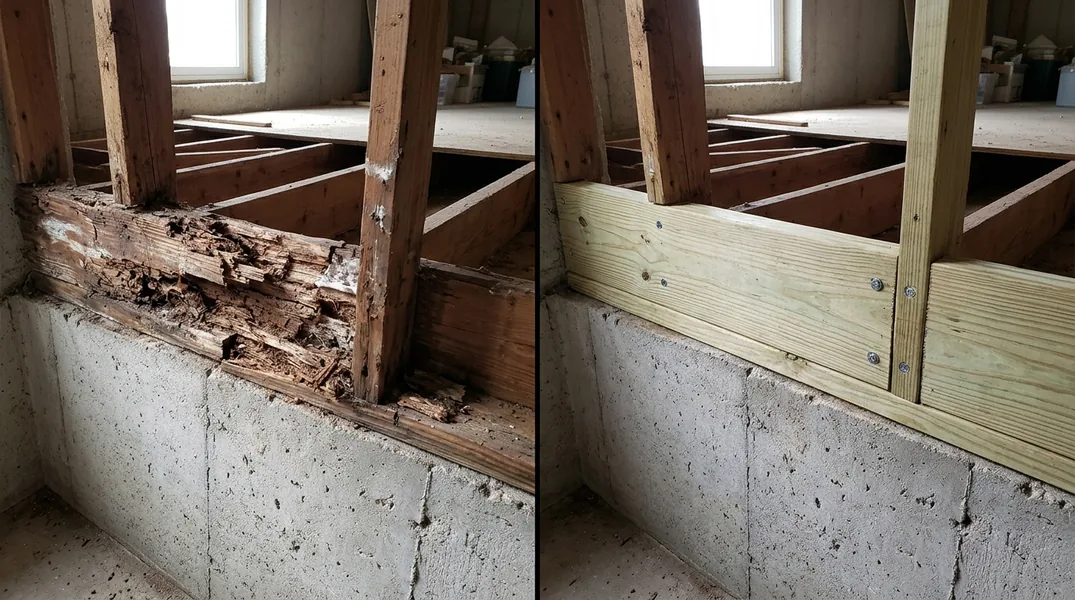
While exterior wood damage is visible and therefore easier to address, the real danger in historic homes often lies hidden behind walls and beneath floors. Floor Joist and Subfloor Repair is frequently necessary in Victorian and Foursquare homes because these structural elements have been absorbing moisture for over a century. Water intrusion from failed exterior elements, poor drainage around the foundation, or plumbing leaks can compromise floor joists long before anyone notices a problem. By the time a floor feels soft or bouncy, significant decay may have already occurred.
Similarly, the beams and load-bearing walls that support upper floors and roofs can be silently deteriorating. Sagging floors, cracked plaster, or doors that no longer close properly are often signs that structural elements have weakened. In some cases, Beam Replacement and Load-Bearing Wall Removal becomes necessary to restore structural integrity. This is specialized work that requires engineering calculations and careful planning to ensure the home remains safe during and after the repair. Historic homes in particular demand this level of expertise because the original construction methods and materials must be understood and respected to make appropriate repairs.
Wood Rot and Dry Rot Repair Cost in Joliet: What to Budget
One of the first questions homeowners ask when facing wood damage is cost. The answer depends entirely on the scope of the problem. A small area of wood rot in siding might cost a few hundred dollars to repair, while structural issues involving floor joists or porch columns can run into the thousands. The pricing for Wood Rot and Dry Rot Repair reflects the complexity of the work, the materials involved, and the expertise required to do it properly on a historic home.
Rather than trying to estimate costs without professional assessment, the best approach is to get a detailed evaluation from a carpenter who specializes in historic homes. They can identify all areas of concern, explain what's necessary versus what's optional, and provide transparent pricing for the work. Many homeowners are surprised to learn that addressing problems early is far more cost-effective than waiting until damage becomes severe. A small area of rot caught and repaired promptly might cost $500, but the same area left untreated for five years could require $5,000 in repairs. Additionally, some homeowners may qualify for historic preservation tax credits or grants that can offset repair costs, though these programs vary by location and property status.
Developing a Maintenance Plan for Long-Term Preservation
The best strategy for protecting a Victorian or Foursquare home is prevention and early intervention. This means establishing a regular maintenance routine that addresses small problems before they become major ones. Annual inspections of exterior wood, roof condition, gutters, and foundation drainage should be part of every historic homeowner's calendar. During these inspections, look for the warning signs of wood damage: soft wood, paint failure, discoloration, or visible cracks. Keep gutters clean and functioning properly, ensure downspouts direct water away from the foundation, and maintain proper grading around the home so water doesn't pool against the structure.
Beyond routine maintenance, consider having a professional inspection every three to five years, especially for homes over 100 years old. A trained eye can spot developing problems that untrained homeowners might miss. If you discover damage, don't delay in getting professional help. Reach out to Joliet Carpentry at (815) 768-1960 or request a free estimate to assess the situation. Early action preserves your home's integrity, maintains its value, and prevents small repairs from becoming major restoration projects. Your Victorian or Foursquare home is a treasure worth protecting, and the investment in proper maintenance pays dividends for generations to come.
Looking for a professional carpentry contractor in Joliet? Joliet Carpentry responds fast for all your carpentry needs.
Get a Free QuoteOur services: Wood Rot & Dry Rot Repair · Termite Damage Repair · Floor Joist & Subfloor Repair